Subways and trains
Most subways were built in the 1930s, before wheelchair access was considered important. After World War II, veterans pushed for accessible public transportation laws, but officials said it would cost too much.
Advocates first requested access to important stations connecting to buses and paratransit. After the ADA passed, the number of key stations increased. The ADA required renovated station entrances to be made accessible. Train stations were updated first because they were cheaper to fix. The ADA also required new standards for platform gaps and tactile warnings for cane users. Advocates with vision and hearing disabilities pushed for better communication systems.
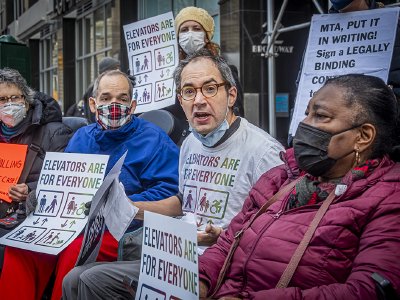
Activists sued the MTA in 2016 after many subway stations were renovated without elevators. In 2022, they achieved a victory requiring 95% accessibility over a 33-year period.
Activism Milestones
- 1968: The Architectural Barriers Act required agencies that receive federal funds to make buildings wheelchair accessible.
- 1979 Eastern Paralyzed Veterans Association filed a lawsuit to stop renovations at stations that didn’t include elevators.
- 1984: The city and MTA agreed to add elevators to 54 key subway stations.
- 1990: The U.S. Access Board begins creating accessibility standards for facilities and transportation systems.
- 1994: New York lawmakers sign a law to increase the number of key stations in the subway to 100.
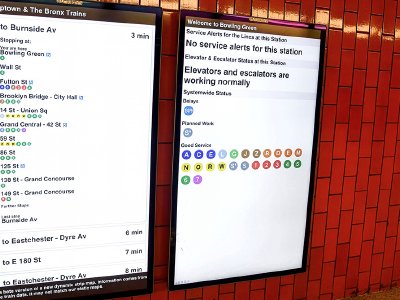
- 2016: Digital information screens were installed in subway stations.
- 2017: A lawsuit was filed by activists, taking on the inaccessibility of the entire subway instead of a single station.
- 2022: The MTA agreed to make 95% of the remaining subway stations accessible by 2055.
Key Stations
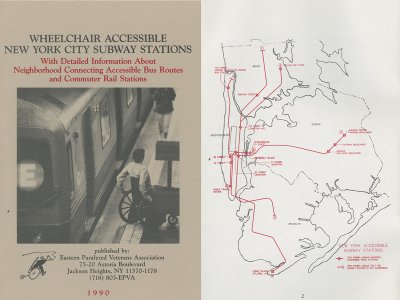
In 1983, a New York senator introduced a law to make 27 key subway stations accessible. EPVA’s lawsuit resulted in an agreement for 54 key stations the next year.
View images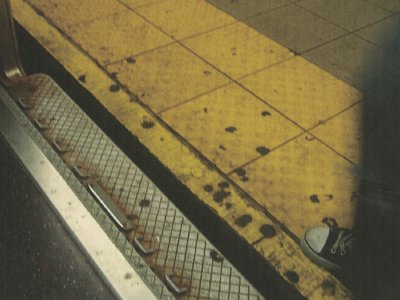
Tactile edges and the gap
High contrast tactile edges help keep blind people safe by providing a warning at the edge of the platform. The gap between the platform and the car is a barrier.
View images